What weed is in my lawn? Identify it before you buy anything
The most common weed-control failure isn't a weak product — it's the right product aimed at the wrong weed. Broadleaf killer bounces off crabgrass. Crabgrass preventer does nothing to a dandelion that's already rooted. And nutsedge shrugs off both, because it isn't a grass or a broadleaf at all. Every herbicide on the shelf is built for one plant family and largely ignores the other two, so identification happens in two steps: family first, species second. This guide walks both — the three families, the 12 weeds that cause most of the trouble, and the look-alike pairs that waste the most money.
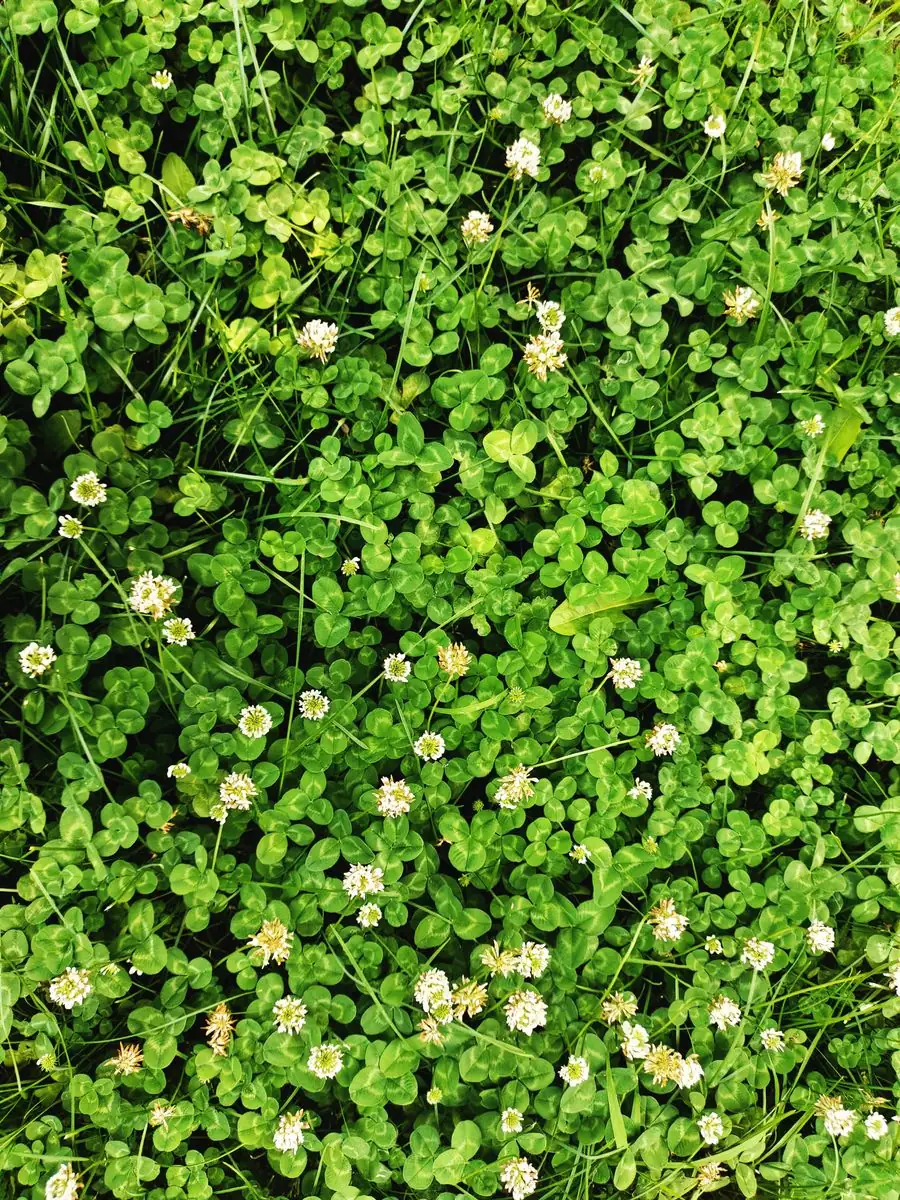
Start with the family, not the species
Kneel down and look at the stem and leaves. Every lawn weed falls into one of three families, and the family decides what will kill it:
| Family | How to recognize it | What controls it |
|---|---|---|
| Broadleaf | Wide, flat leaves with net-like veins; often showy flowers (dandelion, clover, plantain) | Selective broadleaf herbicides — they leave grass untouched |
| Grassy | Looks like grass: narrow blades, parallel veins, round or flattened stems | Pre-emergents for annuals; perennials usually need spot treatment and reseeding |
| Sedge | Grass-like but with a solid, triangular stem — roll it between your fingers | Sedge-specific herbicides only (halosulfuron, sulfentrazone) |
The University of California's turf IPM program makes the same point from the other direction: the best long-term weed control isn't in a bottle at all — it's a dense lawn, mowed high and fed on schedule, that leaves weeds no light and no gap. Every fix below ends there.
The 12 most common lawn weeds at a glance
| Weed | Family | Fastest ID marks | Where it thrives |
|---|---|---|---|
| Dandelion | Broadleaf | Toothed rosette, hollow stem, one yellow flower, puffball | Thin turf anywhere |
| White clover | Broadleaf | Three round leaflets with pale crescents, white pom-pom flowers | Underfed lawns |
| Broadleaf plantain | Broadleaf | Flat rosette of oval, ribbed leaves; rat-tail seed spikes | Compacted soil, paths |
| Ground ivy | Broadleaf | Square stems, scalloped round leaves, minty smell when mowed | Moist shade |
| Yellow woodsorrel | Broadleaf | Heart-shaped leaflets, lemon-yellow flowers, upright seed pods | Thin, dry turf |
| Common chickweed | Broadleaf | Low sprawling mat, paired oval leaves, tiny white star flowers | Cool, moist, shady spots |
| Wild violet | Broadleaf | Waxy heart-shaped leaves, purple spring flowers | Moist shade |
| Crabgrass | Grassy | Coarse blades sprawling star-like from a central clump | Thin, scalped, hot edges |
| Quackgrass | Grassy | Bluish-green, upright, auricles clasping the stem, white rhizomes | Established lawns, everywhere |
| Annual bluegrass | Grassy | Apple-green, boat-shaped tip, whitish seedheads even mowed short | Compacted, overwatered turf |
| Tall fescue clumps | Grassy | Coarse, dark, fast-growing bunches in a finer lawn | Old seed contamination |
| Yellow nutsedge | Sedge | Glossy yellow-green spikes outgrowing the lawn, triangular stem | Wet, poorly drained soil |
Broadleaf weeds: the easiest group to treat
Broadleaf weeds are the visible ones — flowers, rosettes, creeping mats — and the most forgiving, because selective herbicides can remove them without touching the grass. The species still matters: two of the seven below laugh at the standard two-way sprays.
🌼 Dandelion
ID: a rosette of deeply toothed leaves, hollow flower stems with milky sap, one yellow flower per stem, then the famous puffball. The taproot runs 6–18 in (15–45 cm) deep, and UC IPM notes it can regrow from any fragment left in the soil — which is why casual pulling often fails.
Fix: lever young plants out of moist soil with a taproot tool, getting the whole root; spray established ones with a selective broadleaf product, ideally in early fall. Thicken the turf so seeds can't restart — overseeding guide.
🍀 White clover
ID: three round leaflets, usually marked with a pale crescent, white pom-pom flowers that bees work all summer, and creeping stolons that root as they go. Clemson Extension notes it was deliberately included in lawn seed mixes before the 1950s — your "weed" may be a former feature.
Tells you: nitrogen is scarce. Clover fixes its own from the air, so it wins exactly where grass goes hungry. A consistent feeding schedule shrinks it season by season; triclopyr-based products remove it faster.
🌿 Broadleaf plantain
ID: a flat rosette of broad oval leaves with strong parallel ribs, hugging the ground below mower height, plus distinctive rat-tail seed spikes. Its narrow-leaved sibling, buckhorn plantain, shows the same ribs on lance-shaped leaves.
Tells you: the soil is compacted — plantain colonizes packed paths and play areas where grass roots can't breathe. Core-aerate in fall, then treat with a broadleaf herbicide; without the aeration it returns.
🟣 Ground ivy (creeping charlie)
ID: square stems (it's a mint), round scalloped leaves, small purple funnel flowers in spring, and a minty smell when you mow it. It creeps under the canopy, rooting at every node.
Fix: Penn State Extension ranks it among the hardest lawn weeds — hand-pulling fails because every fragment re-roots. Use a triclopyr-based herbicide in mid-to-late fall, expect a repeat, and thin the shade that invited it.
Three more broadleaf regulars are quicker to close out. Yellow woodsorrel (oxalis) mimics clover, but its leaflets are heart-shaped and fold along the midrib, its flowers are lemon-yellow, and its okra-like pods fling seed several feet — pull it young, because mature stands reseed constantly. Common chickweed is a winter annual: sprawling mats of small paired leaves with tiny white star flowers in cool, moist, shaded turf; it pulls out easily and a thicker fall lawn prevents the next generation. Wild violet is the opposite — waxy heart-shaped leaves shed spray, and thick rhizomes survive pulling, making it the toughest broadleaf on this list; repeated fall triclopyr applications are the realistic plan.
Grassy weeds: the hard group
Grassy weeds hide in plain sight — grass among grass — and they're the group where identification pays the biggest dividends, because annuals and perennials need opposite strategies.
🌾 Crabgrass
ID: coarse, wide blades sprawling flat from a central clump like a star, exploding through summer along driveways and thin spots. It's a summer annual: it germinates once soil holds about 55°F (13°C) for several consecutive days, and dies at first frost, leaving a gap for next year's seeds.
Fix: a spring pre-emergent timed to soil temperature, plus mowing high so seeds never see light. Full timing, product table, and the forsythia cue in the crabgrass guide.
🌱 Quackgrass
ID: bluish-green, slightly twisted leaves on upright stems — and the giveaway, two small claw-like auricles that wrap around the stem at the base of each blade. Pull a shoot and white, sharp-tipped rhizomes come up with it. Because it's a cool-season perennial, it's already green at spring green-up, weeks before crabgrass even germinates — University of Wisconsin horticulturists call the auricles the dead giveaway.
Fix: there is no selective herbicide that removes an established perennial grass from a cool-season lawn. Spot-treat patches with a non-selective herbicide, wait for regrowth from surviving rhizomes, repeat, then reseed the patch.
💚 Annual bluegrass (Poa annua)
ID: a lighter, apple-green patch in the lawn with the same boat-shaped leaf tip as Kentucky bluegrass — but studded with whitish seedheads even when mowed short. It germinates in late summer and fall, then dies in summer heat, leaving tan patches exactly where it looked lush in May.
Fix: make the lawn hostile to it — mow at 3 in (7.5 cm) or higher, water deeply and infrequently, relieve compaction. A fall pre-emergent intercepts the next generation; killing this year's plants selectively isn't realistic in a home lawn.
Tall fescue clumps round out the grassy group: coarse, dark, fast-growing bunches that stand out of a finer bluegrass or ryegrass lawn, usually arriving as contamination in cheap seed. Like quackgrass, no selective product removes them — dig the clump or spot-treat it, then reseed. If you're not sure what your background lawn even is, start with the grass identification guide.
Not sure which weed you're looking at?
Leaf shape and stem checks narrow it down, but the last step — clover or oxalis, crabgrass or quackgrass — is exactly where guesses buy the wrong jug. Photograph the weed and Lawn Care AI identifies the species, tells you whether it spreads by seed, stolon, or rhizome, and builds the right treatment into your lawn's schedule.
Sedges: the group nothing on the shelf kills
Roll the stem between your fingers. If it's solid and distinctly triangular — three flat sides, no joints — you're holding yellow nutsedge, not a grass. It announces itself as glossy, yellow-green spikes standing above the lawn just days after mowing, and it means water is sitting somewhere it shouldn't. Standard weed killers don't touch it; the products that do (halosulfuron, sulfentrazone) and the drainage fixes that keep it away have their own page: how to get rid of nutsedge.
Four look-alike pairs that waste the most money
| Often confused | How to split them | Why it matters |
|---|---|---|
| White clover vs. yellow woodsorrel | Clover: round leaflets, white flowers. Oxalis: heart-shaped folded leaflets, yellow flowers, upright seed pods | Oxalis reseeds explosively — it needs earlier action and repeat visits |
| Dandelion vs. catsear | Dandelion: hairless leaves, one flower on a hollow, unbranched stem. Catsear: hairy leaves, several flowers on solid, branched stems | Catsear's deeper crown shrugs off shallow popping tools |
| Crabgrass vs. quackgrass vs. tall fescue | Sprawling summer annual vs. upright runner with clasping auricles and white rhizomes vs. coarse perennial clump | Pre-emergent prevents only crabgrass; the other two need spot treatment |
| Nutsedge vs. any grass | Triangular solid stem, leaves in sets of three, faster vertical growth than the lawn | Grass and broadleaf herbicides don't touch sedges |
What your weeds say about your lawn
Weeds rarely beat a dense, healthy lawn in a fair fight — each species exploits one specific weakness. Read the weed and it hands you the underlying fix:
| If this is winning | The lawn's real problem | Structural fix |
|---|---|---|
| White clover | Low nitrogen | Regular feeding — fertilizing schedule |
| Plantain, annual bluegrass | Compacted soil | Core aeration in fall |
| Nutsedge | Wet, poorly drained soil | Fix drainage; water deeper, less often — watering guide |
| Ground ivy, violets, chickweed | Shade and constant moisture | Thin the canopy; overseed a shade-tolerant mix |
| Crabgrass | Thin, scalped turf and hot edges | Mow higher — mowing height guide — and overseed gaps |
| Dandelion, woodsorrel | Thin turf letting light hit the soil | Density: overseed and feed |
Weeds are a soil report
A lawn that grows clover is telling you its nitrogen number; one growing plantain is telling you about compaction. Kill the weed without correcting the condition and the same species returns next season. A soil test converts the hint into actual numbers.
Match the treatment to the family
- Broadleaf weeds. Spot-spray with a selective two- or three-way mix (2,4-D, dicamba, MCPP); ground ivy and violets need triclopyr in the blend. Early fall beats spring for every perennial on this page: plants are pumping reserves to their roots, and systemic herbicides ride down with them.
- Grassy weeds. Prevention is nearly the whole game — a spring pre-emergent for crabgrass, a fall one for annual bluegrass, and mowing high year-round. Established perennial grasses (quackgrass, fescue clumps) only leave by shovel or non-selective spot treatment plus reseeding.
- Sedges. Treat in early summer while plants are young, before new tubers mature underground; sedge-specific chemistry only.
- All three. Refill every gap you create. A killed weed that leaves bare soil is a job half-done — the next seed in the soil bank takes the vacancy. Overseed repaired spots and keep the lawn fed so the turf claims the space first.
Five weed-control mistakes
- Blanket weed-and-feed for a dozen dandelions. Spot treatment does the same job with a fraction of the herbicide — and skips stressing the 95% of the lawn that was fine.
- Spraying broadleaf killer on crabgrass or nutsedge. Wrong family, zero effect. This single mix-up probably wastes more money than every other lawn mistake combined.
- Applying pre-emergent too late — or expecting it to kill existing weeds. It stops germinating seeds only. Once you can see the weed, that window is closed for the year.
- Pulling weeds that regrow from fragments. Ground ivy, quackgrass, and violets multiply from what your hand leaves behind. Know the spreader before you weed.
- Killing weeds and leaving the gap. Bare soil is an invitation. Reseed every cleared patch — bare patch repair guide — or the next weed accepts it.
Lawn weed identification FAQ
How do I tell crabgrass from quackgrass?
Timing and the stem tell you fastest. Quackgrass is a perennial that shows up already green at spring green-up, grows upright, and carries two small claw-like auricles that clasp the stem where the blade meets it; pull one and you find white, sharp-tipped rhizomes. Crabgrass is an annual that only appears in late spring or summer, sprawls flat from a central clump like a star, and pulls up with no rhizomes attached.
Why is my lawn full of clover?
Clover is a nitrogen signal. It makes its own nitrogen from the air, so it outcompetes grass exactly where the lawn is underfed — a lawn full of clover is usually a hungry lawn. A regular feeding schedule shifts the advantage back to the grass, and most clover patches shrink season by season once nitrogen is no longer scarce. Selective herbicides with triclopyr remove it faster if you want it gone.
What kills lawn weeds without killing the grass?
It depends entirely on the weed family. Selective broadleaf herbicides (2,4-D, dicamba, MCPP, triclopyr) control dandelion, clover, and plantain without harming turf. Sedges need a sedge-specific product like halosulfuron. Established perennial grassy weeds like quackgrass are the exception: no selective product removes them from a cool-season lawn, so they are spot-treated with a non-selective herbicide and reseeded.
Should I pull lawn weeds or spray them?
Pull annuals and young taprooted weeds; spray established perennials that spread underground. Chickweed, oxalis, and young dandelions come out cleanly from moist soil, root and all. Ground ivy, quackgrass, and wild violets regrow from any fragment left behind, so pulling usually multiplies them — those three are the classic cases where a targeted herbicide beats an afternoon of weeding.
When is the best time to treat lawn weeds?
Early fall for perennial broadleaf weeds — plants are moving reserves down to their roots, and systemic herbicides ride along, which is why fall applications on dandelion, ground ivy, and violets outperform spring ones. Crabgrass is the opposite: it is prevented in early-to-mid spring with a pre-emergent, timed to soil reaching about 55°F (13°C). Nutsedge is treated in early summer while plants are young.
Do vinegar or boiling water kill lawn weeds?
They kill whatever they touch — including your grass — so they have no place on a lawn. Both are non-selective contact treatments: they burn the leaves but leave taproots and rhizomes alive, so dandelions and quackgrass simply regrow in a week or two. Save them for pavement cracks and gravel, and use a selective herbicide or hand-pulling in turf.